The web development landscape is evolving at a pace that can feel dizzying. For small to medium-sized business owners in the UK, keeping up with these changes isn’t just about staying current—it’s about staying competitive. The technologies you choose today will define your online presence for years to come. Whether you’re building a new site or revamping an existing one, understanding the forces shaping modern web development is essential.
The Rise of AI and Machine Learning in Web Development
Artificial intelligence is no longer a futuristic concept—it’s a practical tool that’s reshaping how websites function. From chatbots that handle customer queries 24/7 to personalised content recommendations, AI is making websites smarter and more responsive. For a UK-based business, integrating AI can mean the difference between a generic user experience and one that feels tailored to each visitor.
Take, for example, the use of AI-driven analytics. Tools like Google’s TensorFlow or IBM Watson can analyse user behaviour in real-time, allowing your site to adapt its layout, content, or even pricing based on individual preferences. This isn’t just about convenience; it’s about conversion. Studies show that personalised experiences can boost sales by up to 20%. If you’re considering a custom WordPress plugin, embedding machine learning capabilities could give you a significant edge over competitors still relying on static pages.
Yet, AI isn’t a silver bullet. It requires thoughtful implementation. A poorly designed chatbot can frustrate users, and over-reliance on automation can make your brand feel impersonal. The key is to blend AI with human oversight, using it to enhance—not replace—the personal touch that builds trust. For more on how emerging technologies are shaping the industry, check out our deep dive into Demystifying Web Development: A Deep Dive into Emerging Technologies.
Headless CMS and the Shift to Decoupled Architecture
Traditional content management systems like WordPress have long been the backbone of the web. But a new approach is gaining traction: headless CMS. In a headless setup, the backend (where you manage content) is separated from the frontend (what users see). This decoupling allows developers to use any technology to build the frontend, from React to Vue.js, while still benefiting from a familiar editing interface.
Why does this matter for your business? Flexibility. A headless CMS lets you deliver content across multiple channels—websites, mobile apps, even smart devices—without duplicating work. For a UK retailer, this could mean updating product descriptions once and having them appear on your main site, a mobile app, and a progressive web app simultaneously. It’s a trend that’s particularly relevant for businesses looking to scale without overhauling their entire tech stack.
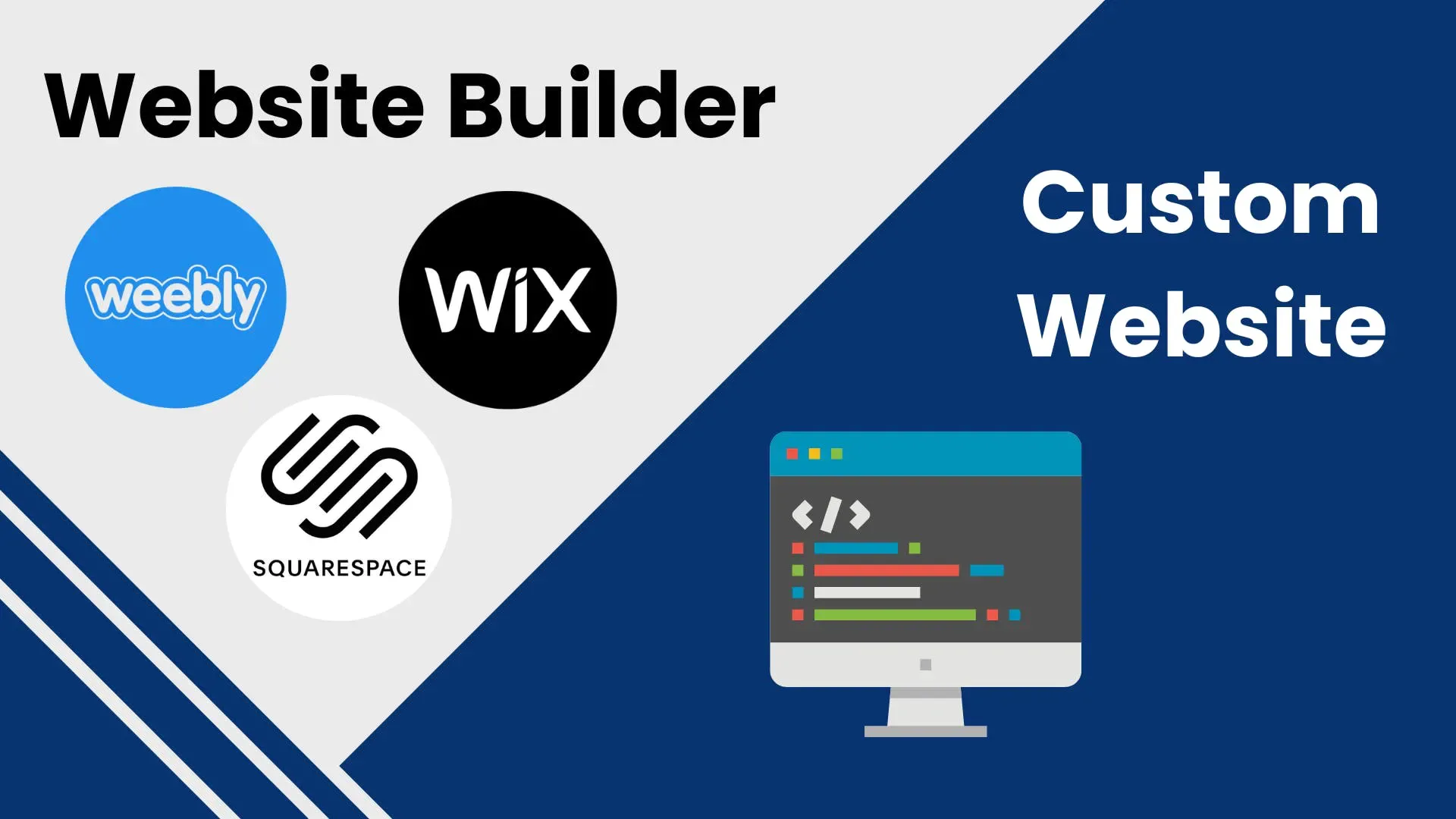
However, headless isn’t for everyone. It often requires more technical expertise and can be overkill for a simple brochure site. If you’re weighing options, consider your long-term goals. Are you planning to launch a mobile app? Do you need to integrate with third-party services frequently? If yes, a headless approach might be worth the investment. For a comparison of different website-building approaches, read our article on the differences between custom-built websites and website builders.
Progressive Web Apps: Bridging the Gap Between Web and Mobile
Progressive Web Apps (PWAs) have been around for a few years, but they’re finally hitting their stride. A PWA is essentially a website that behaves like a native mobile app. It can be installed on a user’s home screen, work offline, and send push notifications. For businesses targeting mobile-first audiences—which, let’s face it, is almost everyone in 2024—PWAs offer a cost-effective alternative to building separate iOS and Android apps.
Consider a local restaurant in Manchester. A PWA could allow customers to browse the menu, place orders, and receive updates—all without downloading a heavy app. The result? Higher engagement and lower bounce rates. PWAs are also favoured by Google, which prioritises fast-loading, mobile-friendly sites in search rankings. This aligns perfectly with the mobile-first design principles we’ve long advocated.
But PWAs aren’t a magic wand. They work best for content-driven or transactional sites, not for apps that require deep hardware integration (like camera-heavy social platforms). Also, some users still prefer the familiarity of native apps. The smart move is to analyse your audience’s behaviour. If analytics show that most of your traffic comes from mobile devices and users frequently return, a PWA could be a game-changer.
Security and Performance: Non-Negotiable Foundations
No matter how flashy a trend is, it means nothing if your website isn’t secure or fast. Cybersecurity threats are evolving, and UK businesses are prime targets. A single data breach can erode customer trust and lead to hefty fines under GDPR. That’s why web development trends increasingly focus on built-in security measures, like HTTPS by default, Content Security Policy headers, and regular vulnerability scans.
Performance is equally critical. Google’s Core Web Vitals—metrics like Largest Contentful Paint (LCP) and First Input Delay (FID)—are now ranking factors. A slow site doesn’t just frustrate users; it pushes you down in search results. Simple steps like optimising images, leveraging browser caching, and using a Content Delivery Network (CDN) can dramatically improve load times. For a deeper look at keeping your site safe, see our guide on how to secure your website.
One often overlooked aspect is choosing the right hosting provider. Shared hosting might be cheap, but it can bottleneck performance and expose you to security risks from other sites on the same server. Managed WordPress hosting or dedicated servers offer better isolation and speed. Learn more in our article on the importance of web hosting for your business.
As you evaluate these technologies, ask yourself: What does my audience truly need? A PWA might dazzle, but if your core users are desktop-based, a responsive design update could deliver better ROI. Similarly, AI features are impressive, but only if they solve a real problem. The best approach is to start small—test one trend, measure its impact, and iterate. For a broader perspective on where the industry is headed, explore our insights on the future of web development.
Ready to put these trends into action? Begin by auditing your current site: check its speed, security, and mobile friendliness. Then pick one area to improve—whether it’s implementing a PWA, switching to a headless CMS, or adding an AI chatbot. Each step moves you closer to a web presence that not only looks modern but works harder for your business.