Every business owner knows the pain. You need a specific feature on your website—maybe a custom quote calculator, a unique booking flow, or a direct line into your CRM. You search the WordPress plugin repository, find something that looks close, install it, and spend hours configuring it. Then, six months later, an update breaks your site, or the plugin’s developer abandons the project entirely.
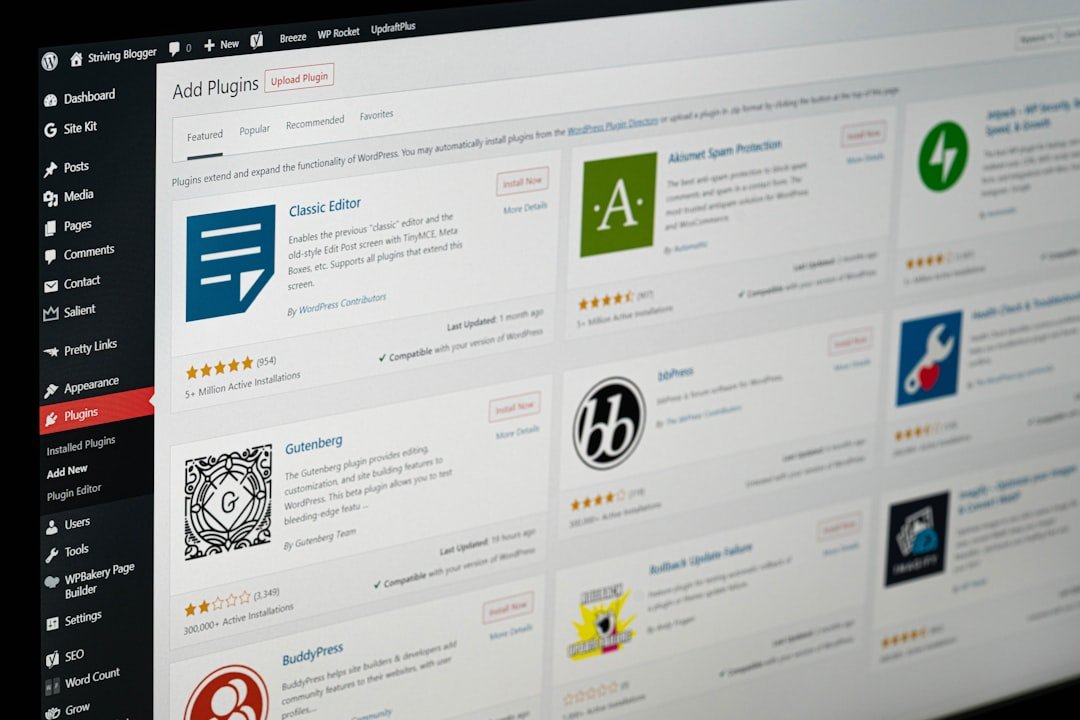
Photo by Justin Morgan on Unsplash
For small and medium-sized businesses (SMBs), this cycle is not just frustrating; it’s a direct hit to productivity and revenue. While the WordPress ecosystem is vast and powerful, the truth is that off-the-shelf plugins are built for the masses, not for your specific business model. This is where custom WordPress development and bespoke plugin creation become game-changers.
The Hidden Cost of Generic Plugins
The allure of a free or cheap plugin is obvious: it saves time and money upfront. However, the hidden costs often outweigh the initial savings. When you stack multiple generic plugins, you create a “spaghetti code” environment. Each plugin adds its own scripts, stylesheets, and database queries. The result is often a slow, bloated website that frustrates visitors and hurts your search engine rankings.
Furthermore, security is a massive concern. Plugins that are not regularly maintained become prime targets for hackers. According to recent industry data, vulnerable plugins remain one of the most common entry points for WordPress hacks. Relying on a plugin with thousands of lines of code you don’t need just to use one feature is a liability. Custom development eliminates the bloat and allows you to build a lean, secure, and high-performance site.
The Power of Custom WordPress Development
When we talk about WordPress development, we aren’t just talking about writing code. We are talking about strategic architecture. A custom approach means the website is built around your specific business workflows, not the other way around.
Tailored Performance and SEO
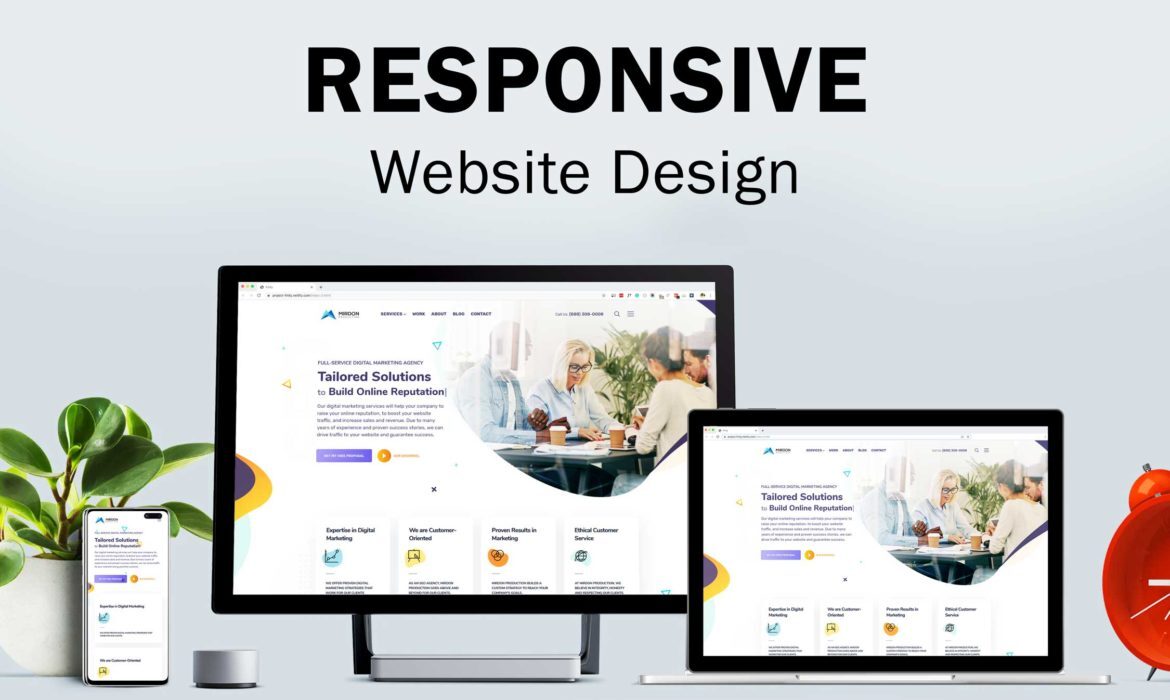
A custom theme and plugin setup allows developers to write code that is specific to your content. Instead of loading an entire slider library you don’t use, your site only loads what is necessary. This directly impacts Core Web Vitals, which are crucial for SEO. As highlighted in our recent case study on increasing organic traffic, technical performance is the bedrock of visibility. A lean site converts better and ranks higher.
The “No-Compromise” User Experience
User experience (UX) is about removing friction. Generic plugins force you into a specific layout or user flow. Custom development allows you to design a user journey that feels intuitive and unique to your brand. This is vital because, as we discussed in our post on UX design, the easier it is for a customer to navigate, the more likely they are to purchase.
Plugin Development: Solving Your Unique Problems
Plugin development is the art of creating specific functionalities that don’t exist in the public domain. This is where you solve your “one-off” problems. For example, a standard e-commerce plugin might handle payments, but what if you need to calculate shipping based on the customer’s distance from a specific warehouse, combined with the weight of multiple items?
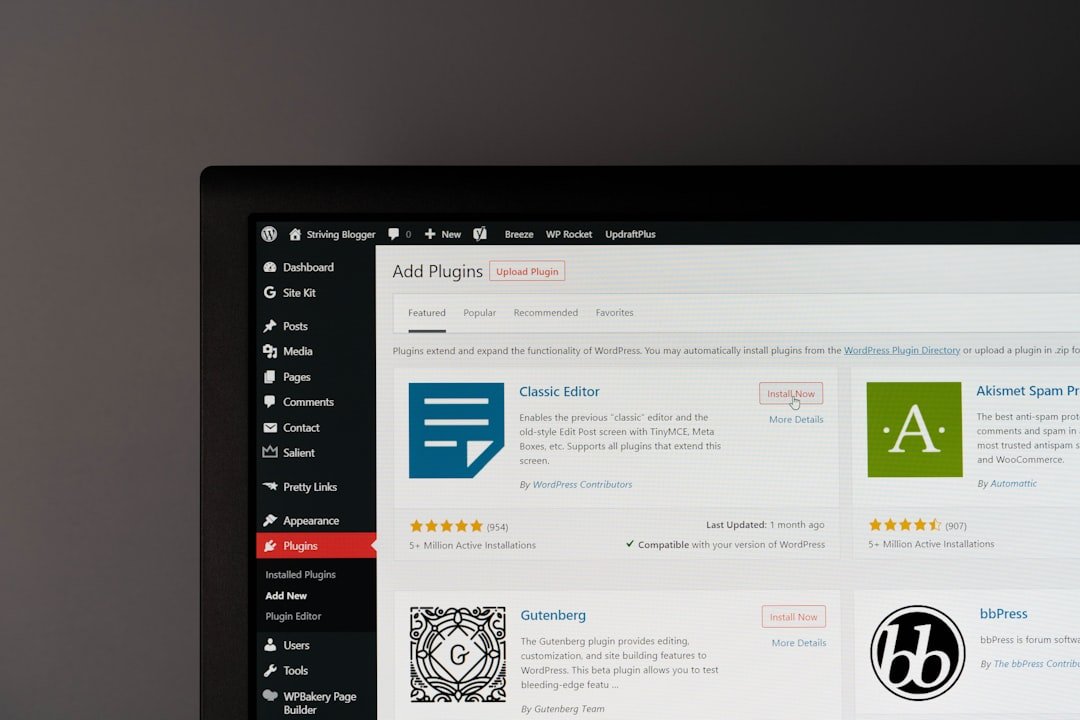
Photo by Justin Morgan on Unsplash
No generic plugin will do this efficiently. A custom plugin can integrate directly with your logistics provider’s API, pulling real-time rates and displaying them instantly. This isn’t just a convenience; it is a competitive advantage that your rivals cannot easily replicate.
SMB Web Solutions: The Integration Imperative
For SMBs, the biggest bottleneck is often data fragmentation. Your website talks to one system, your email marketing tool talks to another, and your sales team lives in a third. This is where CRM integration becomes the most valuable asset in your digital toolbox.
The CRM as the Central Hub
Your Customer Relationship Management (CRM) system holds the keys to your sales pipeline. However, if your website forms don’t feed into that CRM automatically, you are losing leads to manual data entry. A custom integration bridges this gap.
- Automated Lead Capture: When a visitor fills out a contact form, the data instantly creates a new contact in your CRM, tagged with the source of the lead.
- Personalized User Experiences: With integration, your website can recognize returning users and display content relevant to their previous interactions.
- Streamlined Communication: Connect your CRM to your email marketing tools to trigger automated follow-ups based on user behavior, a strategy we explored in our guide to email marketing best practices.
Why “Off-the-Shelf” CRM Connectors Fail
Many CRMs offer native WordPress plugins, but they are often shallow. They only transfer basic fields like name and email. A custom integration allows for two-way synchronization. This means that when a sales rep updates a deal stage in the CRM, that status can be reflected on the client’s dashboard on your website. This level of cohesion is impossible with standard connectors.
Building for Scale and Security
One of the main arguments for custom plugin development is long-term scalability. As your business grows, your software needs to grow with you. A custom plugin is built with your future roadmap in mind. It can be updated and extended without requiring a full site rebuild.
Moreover, security through obscurity plays a role here. Custom plugins are not publicly distributed, meaning hackers cannot scan for them in vulnerability databases. They are invisible to automated attack scripts, providing a layer of safety that popular plugins lack.
Conclusion: Invest in Your Digital Infrastructure
In the digital age, your website is your hardest-working employee. If you are constantly fighting with generic tools to make them fit your processes, you are losing money. While the initial investment in custom WordPress development and plugin creation is higher than downloading a free plugin, the Return on Investment (ROI) is significantly greater.
By investing in custom SMB web solutions and seamless CRM integration, you are not just buying a website; you are building a precision-engineered sales machine. You are eliminating manual busywork, ensuring data accuracy, and providing a user experience that turns visitors into loyal customers.
If you are tired of duct-taping your business processes together with incompatible plugins, it is time to look at the bigger picture. A custom solution isn’t an expense; it’s the most strategic investment you can make in your company’s future.