Digital transformation has fundamentally altered how businesses operate, and e-commerce sits at the heart of this shift. For small to medium-sized business owners in the UK, building an online store is no longer optional—it is a necessity for survival and growth. Yet simply having a website is not enough. The real competitive advantage lies in leveraging digital technologies to create seamless, personalized shopping experiences that convert visitors into loyal customers.

Why Digital Transformation Matters for E-commerce
The term digital transformation often conjures images of AI chatbots, automated warehouses, and complex data analytics. While those elements play a role, the core idea is simpler: using technology to improve every step of the customer journey. For an e-commerce business, this means rethinking how you attract visitors, guide them through product discovery, handle payments, and provide post-purchase support.
Consider a local UK retailer that once relied on foot traffic. By embracing digital transformation, they now offer a robust online store with real-time inventory syncing, personalised product recommendations, and a seamless checkout process. This shift not only expands their reach beyond their physical location but also allows them to compete with larger players. According to a report by McKinsey, digitally mature companies are 23% more profitable than their less mature peers. That gap is only widening as consumer expectations rise.
One critical aspect of this transformation is web development. A well-architected e-commerce platform built on modern frameworks ensures fast load times, mobile responsiveness, and secure transactions. Without these fundamentals, even the most compelling product lineup will struggle. For a deeper look at how emerging technologies shape the web, read our article on Demystifying Web Development: A Deep Dive into Emerging Technologies.
Key Components of a Successful E-commerce Digital Strategy
Building an online store that drives results requires more than picking a platform and uploading products. Several interconnected components must work together to create a cohesive experience.
Platform Choice: Custom vs. Template-Based Solutions
One of the first decisions you will face is whether to use a template-based builder like Shopify or Wix, or invest in a custom-built website. Each approach has trade-offs. Template builders offer speed and lower upfront costs, but they often limit customization and scalability. Custom development, on the other hand, gives you full control over design, functionality, and performance. For a detailed comparison, check out our guide on the differences between custom-built websites and website builders like Wix and Squarespace.
If you are selling physical products, you also need to consider inventory management, shipping integrations, and tax calculations. Platforms like WooCommerce (for WordPress) offer powerful plugins, but they require technical know-how to configure properly. For UK businesses, ensuring compliance with local regulations such as VAT handling is non-negotiable.
User Experience and Mobile-First Design
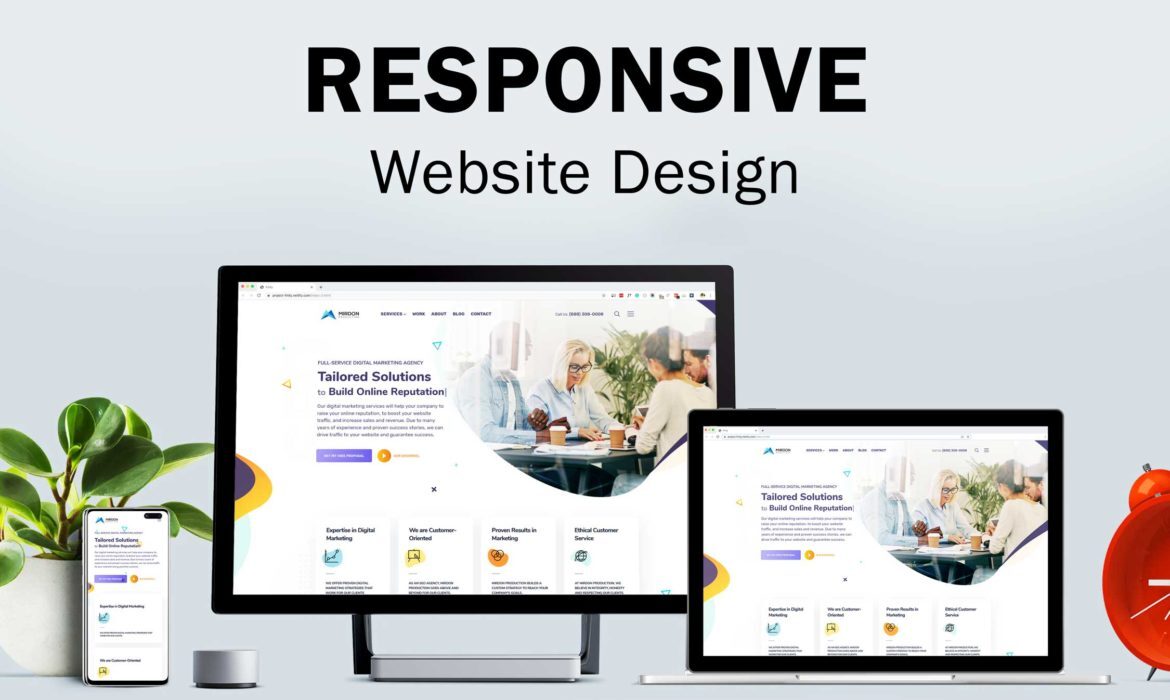
Over 60% of e-commerce traffic now comes from mobile devices. If your store is not optimised for smartphones and tablets, you are leaving money on the table. Mobile-first design means prioritising touch-friendly navigation, fast loading times, and streamlined checkout flows on smaller screens. Google also uses mobile-first indexing, meaning your site’s mobile version determines its search ranking. Learn more about this in our post on Responsive and Mobile-First Design: Enhancing User Engagement in Web Development.
Beyond mobile, consider accessibility. Making your site usable for people with disabilities—such as those using screen readers—expands your audience and improves SEO. Our article on The Importance of Web Accessibility provides practical steps to get started.

Security and Trust
Nothing kills an e-commerce business faster than a security breach. Customers need to trust that their payment details and personal information are safe. Implementing SSL certificates, PCI DSS compliance, and regular security audits is essential. For a comprehensive overview, read our guide on How to Secure Your Website: Best Practices for Keeping Your Site Safe.
Additionally, displaying trust signals—such as customer reviews, secure payment badges, and clear return policies—can significantly boost conversion rates. A study by Baymard Institute found that 17% of shoppers abandon carts due to concerns about payment security. Addressing this head-on builds credibility.
Leveraging Data and Automation for Growth
Digital transformation is not a one-time project; it is an ongoing process of improvement. Data collected from your e-commerce platform—such as browsing behaviour, purchase history, and cart abandonment rates—can inform smarter decisions.
Personalisation at Scale
Using tools like AI-driven recommendation engines, you can show customers products they are likely to buy based on their past interactions. Amazon attributes 35% of its revenue to its recommendation engine. For smaller businesses, even basic personalisation—like sending targeted email campaigns based on past purchases—can increase average order value by up to 20%.
Automating Repetitive Tasks
From inventory updates to order confirmations, many e-commerce tasks can be automated. This frees up your team to focus on strategy and customer service. For example, using a plugin to automatically sync your online store with your warehouse management system reduces errors and speeds up fulfilment. Our post on Automation: Streamlining Development Processes explores how automation can transform your operations.

Overcoming Common Challenges in E-commerce Digital Transformation
Despite the clear benefits, many UK businesses struggle with the transition. Limited budgets, lack of technical expertise, and fear of disrupting existing operations are common barriers. The key is to start small and iterate.
Begin by auditing your current online presence. Is your site slow? Do you have high cart abandonment rates? Are you losing customers to competitors with better mobile experiences? Prioritise fixes that will have the highest impact. For instance, improving page load speed by just one second can increase conversions by 7%.
Another challenge is choosing the right technology stack. With so many options—Shopify, WooCommerce, Magento, BigCommerce—it is easy to feel overwhelmed. Focus on your specific needs: product volume, budget, required features, and scalability. If you are unsure, consulting with a web development agency like Extra Web Solutions can save you time and money in the long run.
, do not underestimate the importance of SEO. An e-commerce site that is not optimised for search engines will struggle to attract organic traffic. This includes keyword research, meta tags, structured data, and fast hosting. For a primer on hosting considerations, see our article on Understanding the Importance of Web Hosting for Your Business.
Digital transformation is not a destination but a continuous journey. By embracing a strategic approach to e-commerce, you can build an online store that not only meets today’s demands but also adapts to tomorrow’s opportunities. Start by identifying one area of your current setup that needs improvement—whether it is mobile responsiveness, security, or automation—and take action today. What change will you make first to move your e-commerce business forward?