
Customer relationship management (CRM) systems have become the backbone of modern business operations, yet many small to medium-sized enterprises still struggle to find a platform that truly fits their workflow. OpsPilotCRM.com enters this space with a promise to simplify complex processes while delivering measurable results. For UK-based businesses looking to streamline sales, marketing, and support, this platform offers a compelling alternative to bloated enterprise solutions. Instead of forcing your team to adapt to rigid software, OpsPilotCRM adapts to how you already work.
Core Features That Drive Real Efficiency
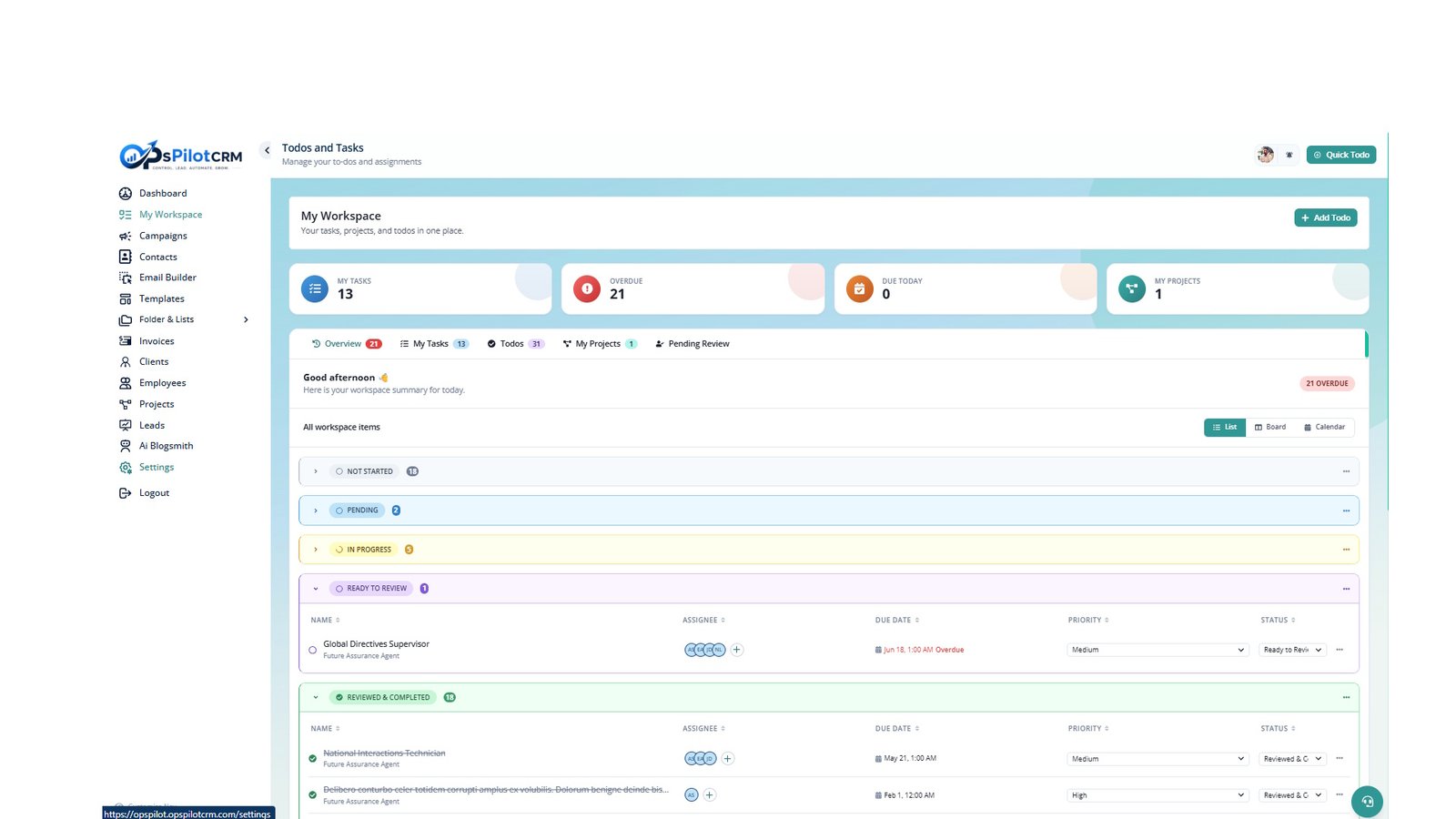
OpsPilotCRM distinguishes itself through a focus on automation and user experience. The platform centralizes customer data, contact history, and communication logs into a single dashboard. This eliminates the need to toggle between email, spreadsheets, and separate tools. Key features include:
- Automated lead scoring that prioritizes prospects based on engagement and behavior.
- Customizable pipelines for sales, support, or project management.
- Built-in email tracking that notifies you when a lead opens a message or clicks a link.
- Integration with popular tools like Slack, Mailchimp, and accounting software.
What sets this platform apart is its emphasis on workflow automation. Repetitive tasks such as sending follow-up emails, updating deal stages, or assigning tickets can be triggered by specific actions. For example, when a lead fills out a contact form, OpsPilotCRM can automatically create a task for the sales team, send a personalized welcome email, and log the interaction in the customer record. This reduces manual data entry and allows your team to focus on high-value activities.
Another standout is the reporting and analytics module. Real-time dashboards display metrics like conversion rates, average deal size, and customer churn. You can drill down into individual performance without needing a data analyst. These insights help you identify bottlenecks in your sales process and adjust strategies accordingly. For businesses that rely on data-driven decisions, this feature alone can justify the investment.
Seamless Integration with Existing Systems
One of the biggest pain points for UK businesses adopting new software is integration with legacy systems. OpsPilotCRM addresses this by offering native connectors for popular platforms. Whether you use Shopify for e-commerce, WordPress for content management, or Xero for accounting, the CRM syncs data in real time. This eliminates the need for manual exports and reduces the risk of errors.
For example, a local services business using WordPress can connect their site’s contact forms directly to OpsPilotCRM. When a potential client submits a quote request, the CRM automatically creates a lead, assigns it to the appropriate team member, and triggers a follow-up sequence. This level of automation ensures no inquiry slips through the cracks. Similarly, e-commerce stores using WooCommerce can sync order data, customer profiles, and support tickets, providing a 360-degree view of each customer.
Internal linking to relevant articles can deepen understanding. For instance, our guide on e-commerce success highlights how CRM integration drives repeat purchases.
Practical Use Cases for UK Businesses
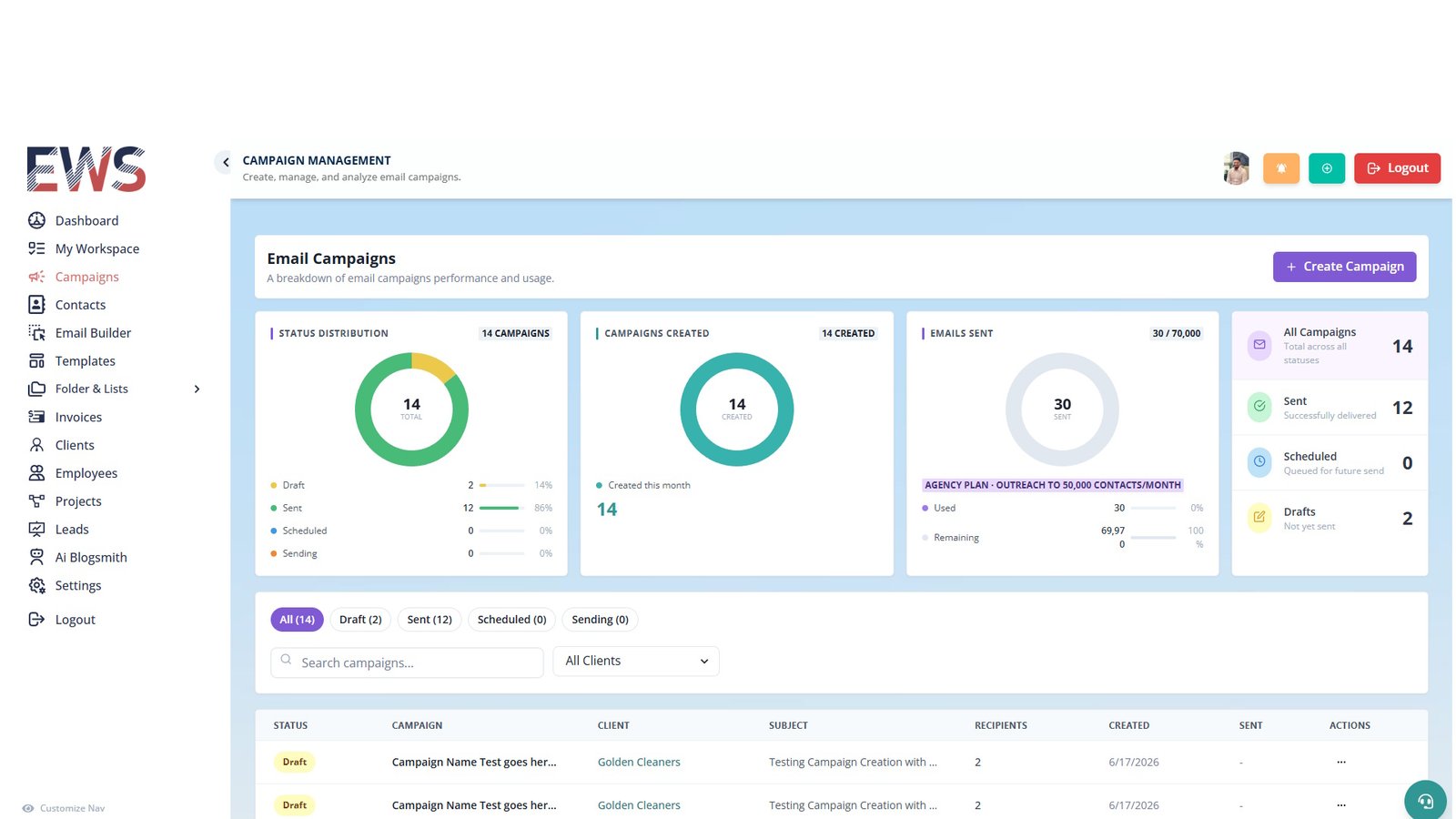
OpsPilotCRM is not a one-size-fits-all tool. Its flexibility makes it suitable for various industries, from professional services to retail. Consider a marketing agency managing multiple client accounts. The CRM can track campaigns, log client communications, and generate performance reports for each client separately. This transparency builds trust and reduces the time spent on administrative tasks.
For a real estate agency, OpsPilotCRM can manage property inquiries, schedule viewings, and automate follow-ups with potential buyers. The pipeline view shows exactly where each lead stands, whether they’ve viewed a property or requested a callback. This structured approach prevents leads from going cold and improves conversion rates.
Another scenario involves consulting firms that rely on project-based billing. The CRM can track billable hours, log expenses, and integrate with accounting software to generate invoices. This eliminates the need for separate time-tracking tools and reduces administrative overhead. By centralizing these functions, OpsPilotCRM becomes a hub for daily operations rather than just a contact database.
External research supports the value of CRM adoption. According to a Gartner report, businesses that effectively use CRM systems see a 29% increase in sales productivity. This statistic underscores why investing in the right platform matters.
Getting Started with OpsPilotCRM
Implementation does not require a dedicated IT team. The platform offers a straightforward onboarding process with guided setup wizards and video tutorials. New users can import existing contacts from spreadsheets or other CRMs, configure pipelines, and set up automations within hours. For businesses that need tailored workflows, the support team provides custom configuration assistance.
Start by mapping out your core processes. Identify which tasks are repetitive and where automation can save time. For example, if your team spends hours manually sending quotes, set up an automation that triggers a quote template when a lead reaches a specific stage. Test these workflows with a small group before rolling them out company-wide.
Monitor key metrics from day one. Track how many leads are entering your pipeline, how quickly they move through stages, and where they drop off. Use this data to refine your approach. Over time, you will see patterns that reveal opportunities for improvement. The goal is not just to manage relationships but to accelerate them.
For businesses exploring CRM options, our article on emerging technologies discuss how CRMs integrate with modern web development practices. Choose a CRM that aligns with your growth trajectory and adapts as your needs evolve.