Here at Extra Web Solutions, we speak with small and medium-sized business owners across the UK every week. The story is almost always the same: they know their website should be working harder, but they’re not sure where to start. Between changing algorithms, new devices, and an ever-growing list of “must-have” digital tools, it’s easy to feel like you’re falling behind.
The good news? You don’t need to rebuild everything from scratch. In most cases, a handful of targeted improvements can transform your website from a passive brochure into your hardest-working salesperson. Let’s look at where businesses are losing customers in 2026 — and what you can do about it.
Your Site Still Isn’t Truly Mobile-First
It’s 2026, and the majority of your visitors are arriving on a phone. Yet we still audit sites where buttons are too small to tap, text requires pinching and zooming, and contact forms take five minutes to complete on a mobile keyboard.
Responsive design isn’t a nice-to-have anymore — it’s the baseline. Google’s mobile-first indexing means the mobile version of your site is the version that gets ranked. If your mobile experience is clunky, you’re being penalised twice: once by frustrated visitors, and once by search engines.
- Test your site on a real phone, not just a resized browser window
- Check that tap targets are at least 44 pixels
- Make sure your phone number is click-to-call
- Compress images so pages load in under three seconds on 4G
You’re Invisible in Search Results
When was the last time you Googled your own main service plus your town? If you’re not on page one, you’re effectively invisible. In 2026, search is more competitive than ever, with AI-generated answers and local packs pushing organic results further down.
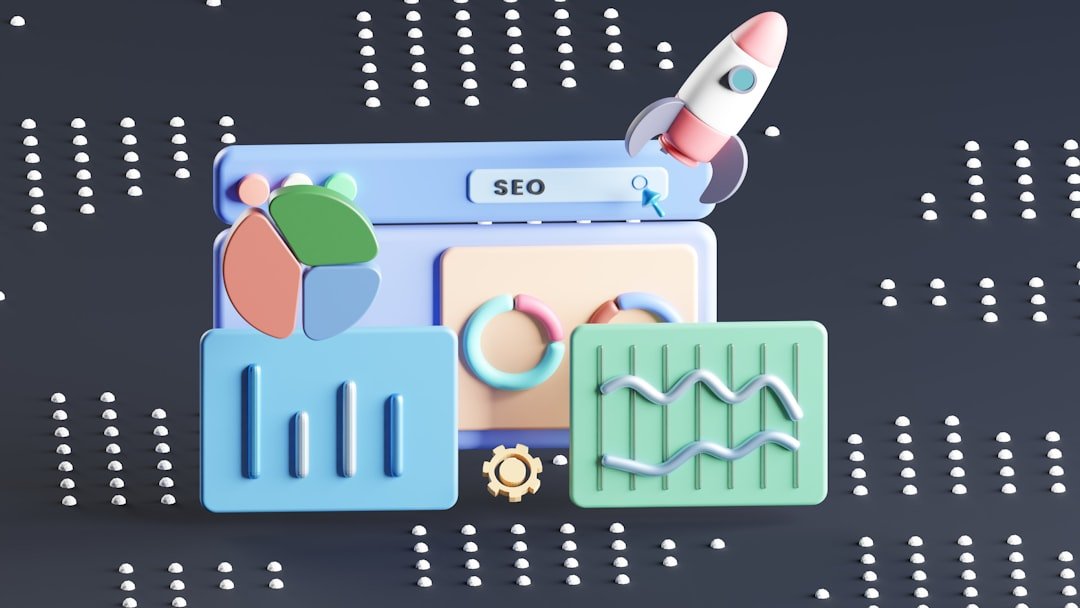
Effective SEO isn’t about stuffing keywords into your homepage. It’s a combination of:
- Technical SEO — site speed, crawlability, structured data, and clean code
- On-page SEO — well-researched content that answers real customer questions
- Off-page SEO — genuine authority built through links, reviews, and local citations
We recently published a case study showing how we increased organic traffic by 150% for a hospitality client using exactly this layered approach. It wasn’t one silver bullet — it was dozens of small, consistent improvements.
Your Email Marketing Is Generic
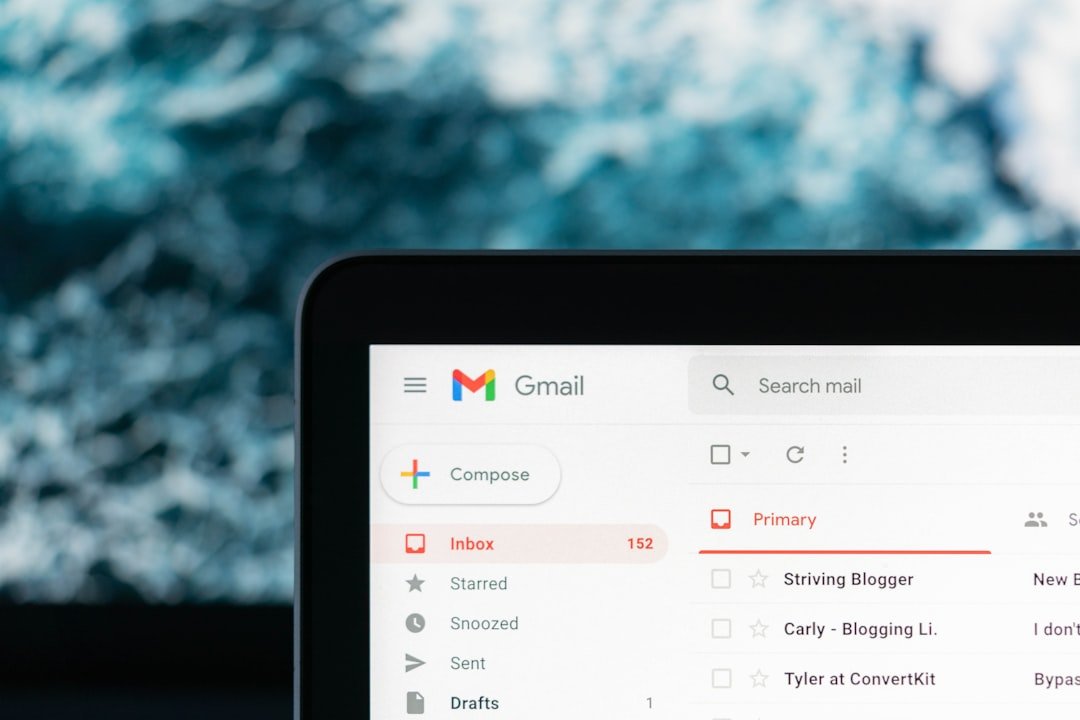
If your email strategy consists of a monthly newsletter that nobody opens, you’re leaving money on the table. Modern email marketing is about segmentation, personalisation, and automation.
Photo by Artturi Jalli on Unsplash
Generic blasts to your entire list don’t just underperform — they damage your sender reputation. Instead:
- Segment your list by behaviour, purchase history, or location
- Trigger automated sequences based on actions (abandoned cart, first purchase, renewal)
- Integrate your email platform with your CRM so every message is relevant
- Design templates that render properly across every major email client
Our guide on email marketing best practices walks through the specifics, including how to boost both engagement and conversions without sending more emails.
UX Is Quietly Killing Your Conversion Rate
You can drive all the traffic in the world, but if your UX design is confusing, visitors will bounce. Common culprits we see include:
- Unclear navigation with too many menu options
- No obvious call to action above the fold
- Slow, cluttered checkout or enquiry processes
- Forms asking for information you don’t actually need
As we explored in our article on the role of UX design in converting visitors into customers, every extra click, field, or moment of hesitation costs you conversions. Good UX is invisible — customers simply find what they need and take action.
You’re Missing Custom Functionality
Off-the-shelf themes and plugins get you 80% of the way there. That final 20% — the part that makes your business genuinely different — usually requires custom scripts or plugins.
Whether it’s a bespoke booking system for a hospitality venue, a product configurator for a retailer, or a WordPress plugin that connects your site to an internal procurement system, custom development lets your website fit your business, rather than forcing your business to fit a template.
DIY Builders Have a Ceiling
Tools like Wix and Squarespace are fine for getting something online quickly. But as your business grows, you’ll hit their limits: restricted functionality, poor performance at scale, and SEO that’s difficult to fine-tune. At that point, migrating to a properly built, custom solution — with real developer support behind it — usually pays for itself within months.
Where Extra Web Solutions Comes In
We’re a compact yet powerful digital agency, which means you get the full range of services — web design, development, SEO, email, and custom plugins — without the overhead and impersonal service of a large agency. Every project is tailored, and we focus on quality over competitive rates: low costs, but never at the expense of the result.
If any of the points above sound familiar, we’d love to help. Whether you need a full rebuild, a targeted SEO campaign, or just some honest advice, get in touch with our team — no pressure, no jargon, just a conversation about what will actually move the needle for your business.