You’ve got a website. It looks fine. You’re getting traffic. But those visitors aren’t turning into customers. You’re not alone. In 2026, the average website conversion rate hovers around 2.5%. That means for every 100 people who visit your site, roughly 97 leave without taking the action you wanted—whether that’s making a purchase, filling out a contact form, or booking a call.

Photo by Markus Winkler on Unsplash
The frustrating part? Most business owners assume the problem is their product or their price. More often than not, the real culprit is the website itself. It’s not speaking to your audience, it’s not guiding them, and it’s certainly not building trust. As a compact digital agency that’s worked with everyone from local SMBs to global brands like Travelodge and Nespresso, we’ve seen this scenario play out countless times. Here’s what’s actually holding your website back and how to fix it.
The Real Cost of a Generic Website
If your website was built on a DIY platform like Wix or Squarespace using a generic template, you’re fighting an uphill battle. These tools are great for getting something live quickly, but they come with significant limitations.
Template-based sites are instantly recognisable. Your visitors have seen the same layout, the same fonts, and the same stock imagery on dozens of other websites. Subconsciously, they register that you’re not invested in your online presence. This erodes trust before you’ve even made your pitch.
But the deeper issue is functionality. Off-the-shelf templates are rigid. They don’t adapt to your unique business processes. Maybe you need a custom booking system, a specific CRM integration, or a unique way to display your products. Trying to shoehorn these requirements into a template results in a clunky, frustrating user experience. And in 2026, user experience isn’t a nice-to-have—it’s the deciding factor between a sale and a bounce.
The Silent Conversion Killer: User Experience (UX)
We’ve written extensively about the role of UX design in converting visitors into customers, and it remains the most critical element of any successful site. UX isn’t just about making things look pretty. It’s about the entire journey a user takes.
Think about the last time you left a website in frustration. Was it because you couldn’t find the contact information? Was the checkout process too long? Did the site take five seconds to load on your phone? These are all UX failures.
Here are the non-negotiables for 2026:
- Mobile-first design: More than 60% of web traffic now comes from mobile devices. If your site isn’t perfectly responsive, you’re alienating the majority of your audience. No more pinching and zooming.
- Page speed: Users expect pages to load in under two seconds. Every additional second of load time increases your bounce rate by over 30%. This is where lightweight development and proper image optimisation are crucial.
- Clear navigation: If a visitor can’t find what they’re looking for within three clicks, they’re gone. Your navigation should be intuitive, guiding users naturally toward your key conversion points.
- Compelling calls-to-action (CTAs): A vague “Learn More” button isn’t enough. Your CTAs need to be specific and benefit-driven. “Get Your Free Quote Today” or “Book Your Discovery Call” tells the user exactly what they’ll get.
SEO: Getting Found in a Crowded Market
Having a beautiful, high-converting website is pointless if nobody can find it. This is where Search Engine Optimisation (SEO) comes into play. In 2026, SEO is more complex than just stuffing keywords into your content.
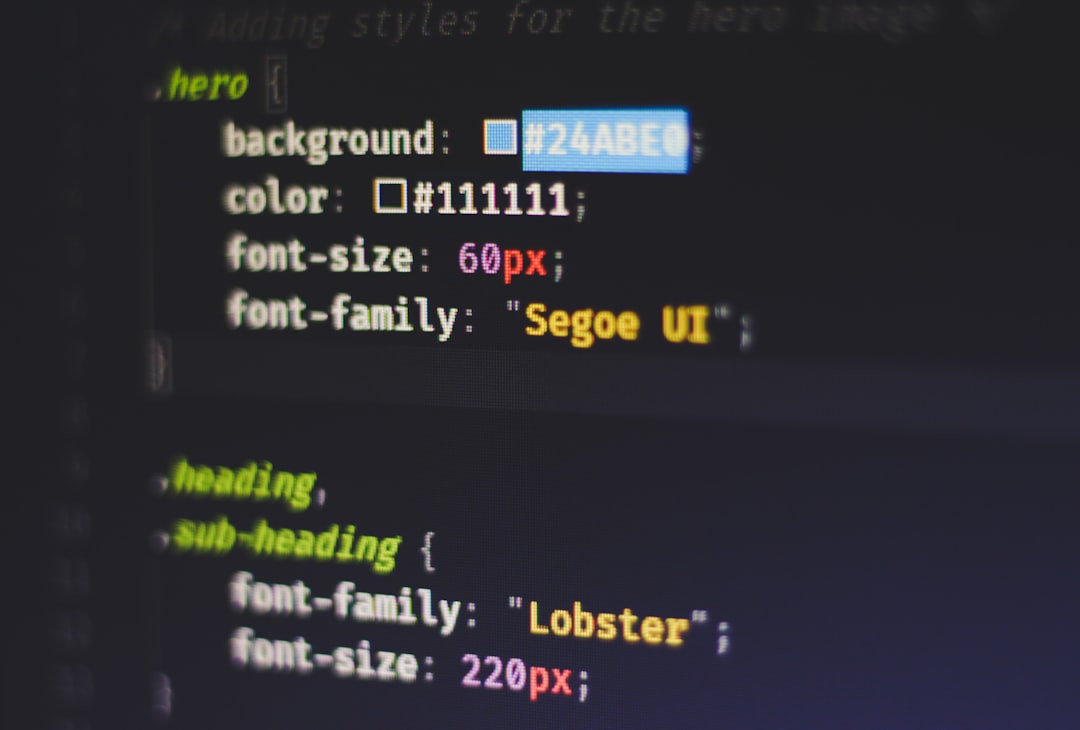
Photo by Brett Jordan on Unsplash
Google’s algorithms are now heavily focused on user intent and experience. They reward sites that provide genuine value and penalise those that don’t. This means your SEO strategy needs to be holistic, combining:
- Technical SEO: Ensuring your site’s code is clean, your pages are crawlable, and your site structure is logical.
- On-page SEO: Optimising your content, meta descriptions, and headers for relevant, high-intent keywords.
- Off-page SEO: Building high-quality backlinks from reputable sources to establish your site’s authority.
We recently demonstrated the power of a comprehensive SEO strategy in our case study for a hospitality client, where we increased organic traffic by 150%. The key wasn’t just chasing keywords—it was understanding the customer journey and creating content and a site structure that matched their search intent at every stage.
The Power of Integration: Email, CRM, and Automation
Your website shouldn’t exist in a silo. To truly streamline your operations and maximise ROI, it needs to work seamlessly with your other business tools. This is where email development and CRM integration become game-changers.
Imagine a visitor downloads a lead magnet from your site. With proper integration, their information is automatically added to your CRM and added to a targeted email nurture sequence. You can then send them personalised content based on their behaviour, guiding them toward a purchase without any manual work on your part.
Our email marketing best practices guide highlights how automated, personalised email campaigns can dramatically boost engagement. But this only works if your website and email platform are talking to each other. A custom integration ensures data flows smoothly, no information is lost, and your marketing efforts are truly cohesive.
Moving Beyond Templates: The Value of Custom Development
This is where we see the biggest difference for our clients. When you work with a team that offers custom scripts and plugin development, you’re not limited by what a template or app store offers. You can build exactly what your business needs.
Do you need a bespoke quotation tool that calculates prices based on complex variables? We can build it. Do you need a WordPress plugin that integrates with your legacy accounting software? We can develop it. This level of customisation is what transforms a website from a digital brochure into a powerful business tool.
It’s about efficiency. Manual processes—like emailing quotes, updating inventory, or managing bookings—eat up hours of your week. Automating these tasks with custom development frees up your time to focus on what you do best: running your business.
The Extra Web Solutions Approach
We understand that the digital landscape can feel overwhelming. You might not have the time to research the latest trends or the technical expertise to implement them. That’s exactly what we’re here for.
As a compact yet powerful team, we offer the full spectrum of services under one roof—from web design and UX to development, SEO, email integration, and custom plugins. This isn’t just about convenience; it’s about coherence. When one team handles everything, your digital strategy is unified, and every element works together towards your business goals.
We don’t believe in generic solutions. We take the time to understand your unique challenges, your target audience, and your objectives. Whether you need to enhance your online presence, streamline your operations, or drive more leads, we build a tailored strategy that delivers measurable results.
Ready to Build a Website That Works for You?
Your website is your hardest-working employee. It should be generating leads, building trust, and driving sales around the clock. If it’s not, it’s time for a change.
Don’t settle for a template that costs you customers. Let’s have a conversation about how we can build a digital presence that truly reflects the quality of your business. Whether you need a complete redesign, a custom plugin, or a comprehensive SEO strategy, we’re ready to help.
Get in touch for any advice—we’re happy to point you in the right direction, even if you don’t become a client. Call us today at 01482 212499 or say ‘Hello’ at hello@extrawebsolutions.co.uk. Let’s start turning your traffic into revenue.