Let’s be honest: having a website in 2026 isn’t optional. But having a website that actually works for your business? That’s a different story entirely. Too many small and medium-sized businesses (SMBs) are stuck with beautiful digital brochures that don’t generate leads, don’t rank on Google, and don’t integrate with the tools their teams use every day.

Photo by Brett Jordan on Unsplash
The problem isn’t effort. It’s strategy. As a compact yet powerful digital agency, we at Extra Web Solutions see this every day. Businesses come to us feeling overwhelmed by the pace of digital change, frustrated by generic templates, and worried they’re spending too much for too little return. If that sounds familiar, this post is for you. We’re going to break down the four biggest reasons your website is underperforming in 2026—and exactly how to fix them.
1. Your Website Isn’t Built for the User Journey
Here’s a hard truth: your visitors don’t care about your company history. They care about solving their problem quickly and effortlessly. If your site isn’t designed with UX (User Experience) at its core, you’re losing customers to competitors who understand this.
Think about the last time you abandoned a website because you couldn’t find the “Contact” button, or you had to pinch and zoom on your phone just to read a paragraph. That frustration is costing you sales.
The fix isn’t just a fresh coat of paint. It’s a complete rethink of how your content and design guide a visitor toward action. This involves:
- Clear, intuitive navigation: If a user can’t find your services in three clicks, they’re gone.
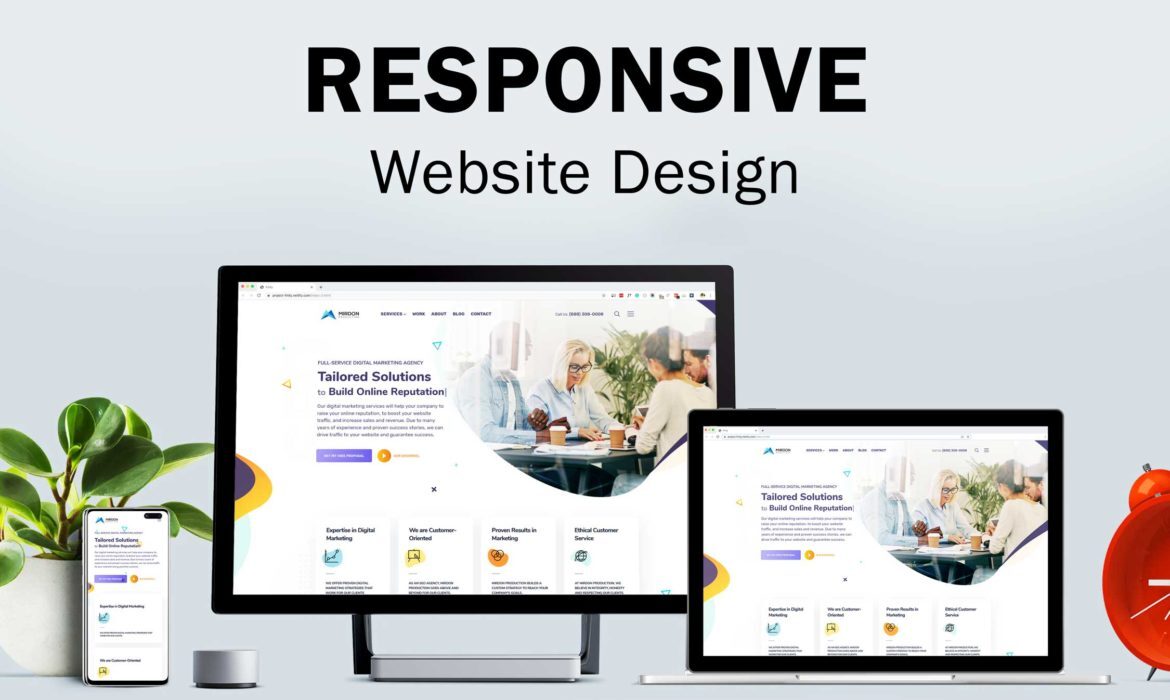
- Mobile-first design: In 2026, the majority of your traffic is on mobile. Responsive design is the baseline, not a bonus.
- Strategic calls-to-action (CTAs): Every page should have one clear next step, whether that’s calling you, filling out a form, or downloading a guide.
We recently wrote about the critical role of UX in converting visitors into customers, and the data is clear—good design isn’t just pretty, it’s profitable. When we revamp a site with a focus on user intent, we’re not just making it look better; we’re creating a pathway that leads directly to your inbox or phone line.
2. You’re Invisible on Google (Because Your SEO is Static)
You could have the best product in the UK, but if your website is on page three of Google, you might as well not exist. The days of stuffing keywords into your footer are long gone. In 2026, search engine optimisation (SEO) is about technical health, user intent, and authority.
Many businesses make the mistake of treating SEO as a one-time setup. You can’t just add meta descriptions and hope for the best. Google’s algorithms are constantly evolving, and they now reward sites that offer genuine value and a seamless technical experience.
To fix this, you need a holistic approach that includes:
- Core Web Vitals: Your site’s loading speed and visual stability are ranking factors. If your site is slow, you’re being penalised.
- Content that answers questions: Your blog and service pages need to speak to the specific pain points of your audience, not just describe what you do.
- Technical audits: Broken links, duplicate content, and poor site architecture are silently killing your rankings.
We’ve seen the impact of this first-hand. In a recent case study for a hospitality client, we managed to increase their organic traffic by 150% through a focused technical audit and content strategy. That wasn’t luck—it was a systematic approach to making their site the most relevant answer on the web. If you’re relying on paid ads for all your traffic, you’re missing out on the most cost-effective lead generation tool available: organic search.
3. Your Tech Stack is Working Against You
Here’s a scenario we hear constantly: “We have a website, a CRM, and an email marketing tool, but none of them talk to each other.” This is the silent killer of productivity.

Photo by Markus Winkler on Unsplash
If your team is manually copying and pasting data from your website forms into your email system, you’re wasting hours every week. This is where email development and CRM integration become game-changers.
Your website shouldn’t be an island. It should be the hub of your operations. When we talk about building websites, we’re not just talking about the front-end design. We’re talking about the back-end architecture that automates your workflows.
Consider these fixes:
- Automated email flows: When someone downloads a guide, they should automatically receive a welcome email sequence.
- CRM sync: Your leads should be instantly added to your sales pipeline, not sitting in a spreadsheet.
- Custom plugins: Off-the-shelf plugins can be bloated and insecure. A custom script built specifically for your workflow is faster, safer, and tailored to your exact needs.
As we discussed in our post on email marketing best practices, the power of a campaign lies in its relevance and timing. But you can’t achieve that relevance if your systems aren’t integrated. A website that isn’t connected to your email and CRM is just a costly business card.
4. You’re Trying to Do Too Much with Too Few Resources
We understand the appeal of DIY website builders like Wix or Squarespace. They seem cheap and easy. But in 2026, the hidden costs are becoming too significant to ignore. The time you spend wrestling with a drag-and-drop builder is time you could be spending on sales, product development, or serving customers.
Moreover, these platforms often lock you into their ecosystem, making it difficult to scale or integrate with advanced business tools. You end up with a generic-looking site that fails to stand out from the thousands of other templates just like it.
This is where the value of a dedicated partner shines. At Extra Web Solutions, we position ourselves as the ‘compact yet powerful’ alternative to both massive agencies and DIY builders. We offer the full range of services—from web design and development to custom scripts and plugins—under one roof. This means:
- Accountability: You have one point of contact, not a project manager, a designer, and a developer who never speak to each other.
- Scalability: We build with your future in mind. As you grow, your site can grow with you.
- Strategic advice: We don’t just code; we advise on how to use technology to hit your business goals.
You don’t have to feel overwhelmed by the digital landscape. You don’t have to settle for generic solutions that don’t fit your unique needs. Whether you need a complete rebuild, a technical SEO audit, or a custom plugin to streamline your operations, we’re here to help you navigate it.
Ready to turn your website into your hardest-working salesperson? Get in touch for any advice—no strings attached. Call us today at 01482 212499 or say ‘Hello’ at hello@extrawebsolutions.co.uk. Let’s build something that works.