
Why React and TypeScript Are a Powerful Combination for Modern Web Apps
In the fast-paced world of web development, building an application that is both robust and maintainable is no small feat. As a full-stack developer based in Hull, I’ve seen countless projects struggle under the weight of outdated codebases and inconsistent logic. The solution for modern, scalable web apps lies in pairing two of the most transformative technologies in the front-end space: React and TypeScript.
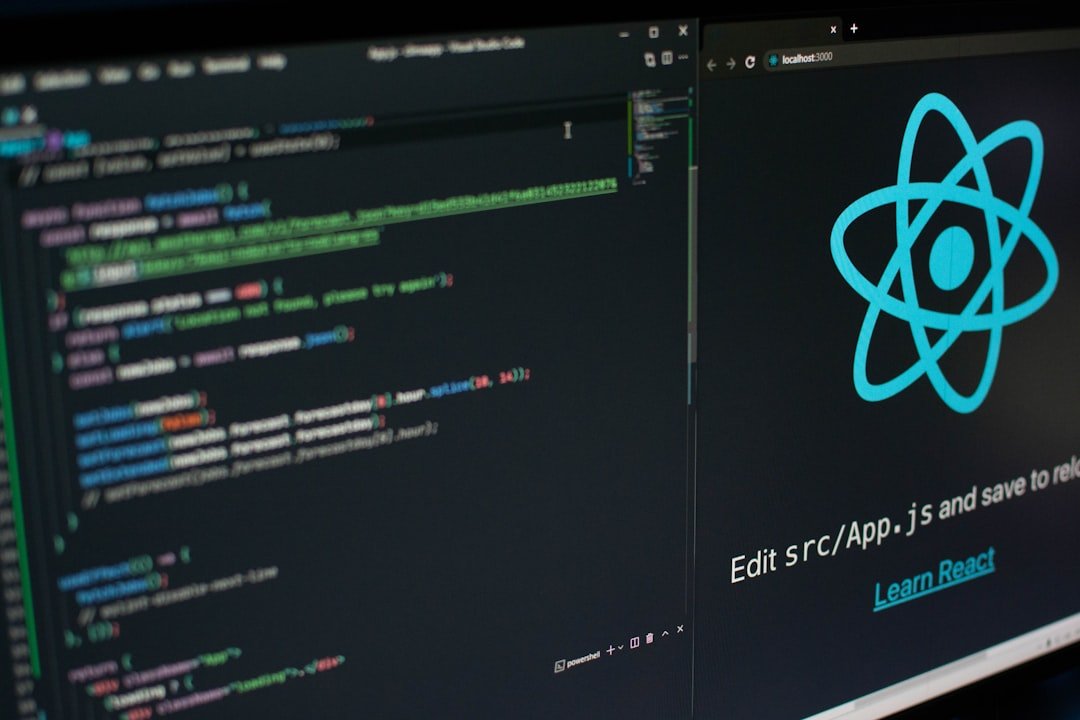
Photo by Lautaro Andreani on Unsplash
If you are a startup founder or a business owner looking to launch a new product, you might wonder why this specific stack matters. It isn’t just about following trends; it’s about delivering a product that stands the test of time. Here is why combining React with TypeScript is a game-changer for your next project.
The Foundation: Why React Remains the Industry Standard
React has dominated the front-end landscape for over a decade, and for good reason. It allows developers to build complex user interfaces by breaking them down into isolated, reusable components. For your business, this means a faster time-to-market and a consistent user experience across your entire application.
- Component-Based Architecture: This allows for significant code reuse. If you need a specific button or form field, it can be built once and used everywhere, ensuring visual consistency.
- The Virtual DOM: React’s virtual DOM ensures that updates to your web app are lightning-fast. This directly impacts user experience, reducing bounce rates and keeping visitors engaged.
- Massive Ecosystem: With a huge community behind it, finding solutions, libraries, and support for React is easier than ever. This reduces the risk of getting stuck on a bug with no clear resolution.
However, while React handles the view layer beautifully, it is inherently unopinionated about how you structure your data. This is where TypeScript steps in to bring order and safety to the table.
The Safety Net: How TypeScript Transforms Development
If React is the engine, TypeScript is the safety inspection. TypeScript is a superset of JavaScript that adds static typing. This means the code is checked for errors before it even runs in the browser. For a business, this translates directly to fewer crashes and less downtime.
- Catch Errors Early: TypeScript catches silly typos and type mismatches at compile time, not runtime. This prevents the dreaded “white screen of death” for your users.
- Better Code Documentation: When you or a developer looks at a TypeScript file, the types act as built-in documentation. You know exactly what data a function expects and what it returns, which is invaluable for long-term maintenance.
- Enhanced IDE Support: Tools like VS Code use TypeScript to offer intelligent autocomplete and refactoring suggestions. This boosts developer productivity, saving you money on billable hours.
The Synergy: Why They Work So Well Together
While both are powerful alone, the magic happens when they are combined. React’s component props and state are where most bugs occur. TypeScript provides a clear contract for these props, ensuring that components are used correctly.
- Self-Documenting Components: With TypeScript, a React component defines its own interface. If you pass the wrong type of data to a component, the editor immediately flags it. This is crucial for teams where a designer might hand off to a developer, or when a developer returns to a project after months away.
- Refactoring with Confidence: As your business grows, you will need to change features. TypeScript allows developers to refactor code (like renaming a function or changing a data model) with the assurance that the compiler will point out every place that needs updating. This reduces the risk of breaking your application during updates.
- A Superior Developer Experience: This combination allows us at Aury Silva to focus on solving your business logic rather than debugging silly type errors. We spend more time building features that drive revenue and less time firefighting technical debt.
What This Means for Your Business
You might not care about the underlying code, but you care about the outcome. Choosing a developer who specializes in this stack—like a freelance developer in Hull who understands the full-stack picture—offers distinct advantages.
- Scalability: Whether you have 10 users or 10,000, the structural integrity provided by TypeScript ensures your app can handle growth without crumbling.
- Long-Term Cost Efficiency: While initial development might seem similar in cost, maintenance is where you save. A codebase that is easy to read and test is cheaper to update and extend.
- Quality Assurance: The strictness of TypeScript acts as a first line of defense in quality assurance. It reduces the number of bugs that reach your end-users, protecting your brand reputation.
Going Beyond the Front-End
As a full-stack developer, I bring this same rigor to the entire project lifecycle. Whether it’s building a responsive web application or designing email templates that render perfectly across all clients, the principle remains the same: attention to detail and robust engineering.
Many businesses in the UK struggle to find a developer who understands both the code and the design. By leveraging React and TypeScript, I bridge that gap, creating digital products that are not only visually appealing but technically superior. This isn’t just about writing code; it’s about crafting a digital experience that converts visitors into customers, as discussed in my recent article on The Role of UX Design in Converting Visitors into Customers.
The Verdict
If you are looking to build a modern web application, settling for anything less than React and TypeScript is a compromise. This combination offers the flexibility of JavaScript with the safety of a strongly typed language. It empowers developers to move fast without breaking things—a crucial balance for any growing business.
Are you ready to build a web application that is robust, maintainable, and built to scale? Let’s talk about how we can bring your vision to life with a stack that prioritizes quality and performance.